Buy comvalor.eu ?
We are moving the project
comvalor.eu .
Are you interested in purchasing the domain
comvalor.eu ?
domain@kv-gmbh.de · 0541-91531010
Buy comvalor.eu ?
What are the tolerances?
Tolerances refer to the allowable deviation from a specified dimension or value in a manufacturing process. They ensure that the final product meets the required specifications and functions correctly. Tolerances are typically expressed as a range or limit within which a part or product must fall to be considered acceptable. Tighter tolerances result in higher precision but may also increase production costs. **
When are general tolerances necessary?
General tolerances are necessary when specific tolerances are not provided or required for a particular dimension or feature. They help ensure that the overall quality and functionality of a part or product are maintained within acceptable limits. General tolerances are typically used in situations where precise measurements are not critical, allowing for a more cost-effective and efficient manufacturing process. **


Similar search terms for Tolerances
Top-Angebote
Products related to Tolerances:
-
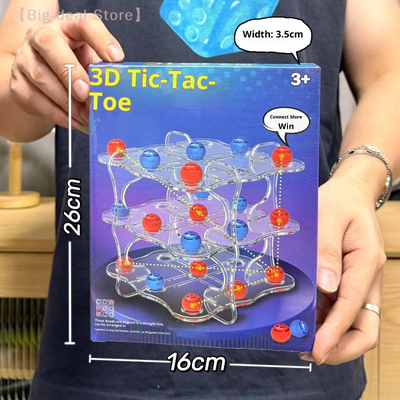
Multisell Products Hub Easy To Play Chess Board Game Toy, Educational Strategy Table Games Easy To Play Chess Board Game Toy, Educational Strategy Table GamesEngage Your Mind with a Classic Chess Board Game The Chess Board Game Toy is a timeless strategy game that offers endless fun for both beginners and experienced players. Designed to be easy to play, this game is perfect for improving focus,...49,97 $*Shipping: 0,00 $Secure redirect to the provider
-
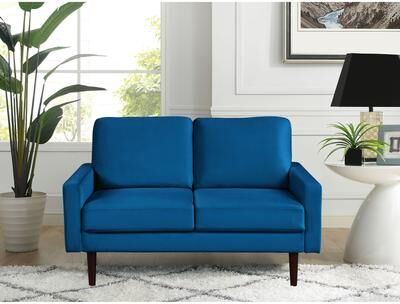
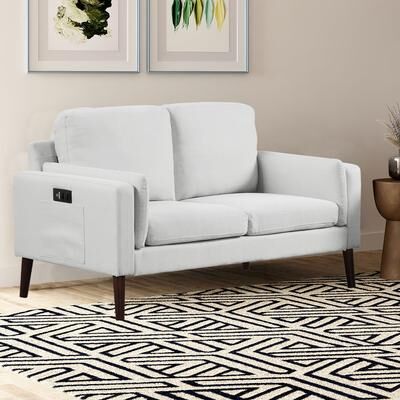
Lifestyle Solutions Napa LoveseatThe Napa Loveseat is designed not only to fit your space but also your style. The classic design and modern lines not only offer style but comfort. A hardwood frames offers sturdy support for everyday living.308,34 $*Shipping: 0,00 $Secure redirect to the provider

-
What are tolerances and fits?
Tolerances and fits are important concepts in engineering and manufacturing that determine the allowable deviation in dimensions of mating parts. Tolerance refers to the acceptable range of variation in a part's dimensions, while fit describes how two parts with specified tolerances will fit together. The fit between two parts can be categorized as clearance fit, interference fit, or transition fit, depending on the relative sizes of the parts and the intended level of interference between them. Properly defining tolerances and fits is crucial for ensuring that parts will function correctly when assembled. **
-
What are fits and tolerances 2?
Fits and tolerances are a system used to control the dimensions and quality of mating parts in engineering and manufacturing. The fit refers to the degree of tightness or looseness between two mating parts, while the tolerance refers to the allowable variation in the dimensions of a part. By specifying fits and tolerances, engineers can ensure that parts fit together properly and function as intended. This system helps to minimize errors and ensure consistency in the production of mechanical components. **
-
What are form and positional tolerances 2?
Form and positional tolerances are specifications used in engineering and manufacturing to define the allowable variations in the shape, size, and position of a part or component. Form tolerances control the overall shape and surface of a part, while positional tolerances control the location and orientation of features relative to a specified reference point. These tolerances are crucial for ensuring that parts fit and function properly within an assembly, and they help to maintain consistency and quality in manufacturing processes. **
-
What ISO tolerances are possible when turning?
When turning, ISO tolerances ranging from IT6 to IT11 are commonly achievable. IT6 is a very tight tolerance, while IT11 is a looser tolerance. The specific tolerance that can be achieved will depend on factors such as the material being turned, the cutting tools used, and the skill of the machinist. It is important to carefully consider the required tolerances for the specific application when selecting the appropriate ISO tolerance for turning. **

What are the angular tolerances in millimeters?
The angular tolerances in millimeters are typically very small, often in the range of 0.1 to 0.5 millimeters. These tolerances are crucial for ensuring the precise alignment and fit of components in various mechanical and engineering applications. Meeting these tight angular tolerances is essential for maintaining the functionality, performance, and safety of the final product. **
What are the tolerances for DHL parcels?
The tolerances for DHL parcels can vary depending on the specific service and destination. Generally, DHL allows for a weight tolerance of +/- 0.5kg for parcels. Additionally, there may be size restrictions for parcels, with dimensions typically ranging from a minimum of 15cm x 11cm x 1cm to a maximum of 120cm x 80cm x 80cm. It is important to check the specific guidelines for the type of service and destination when sending a parcel with DHL to ensure it meets the required tolerances. **
Top-Angebote
Products related to Tolerances:
-
HARPERCOLLINS Creative Confidence by Tom & David Kelley – Unleashing Your Creative Potential & Innovation MindsetA powerful and inspiring book from the founders of IDEO, the award-winning design firm, on unleashing the creativity that lies within each and every one of us. Too often, companies and individuals assume that creativity and innovation are the domain of the ‘creative types’. But two of the foremost experts in innovation, design and creativity on the planet show us that each and every one of us is creative. In an entertaining and inspiring narrative that draws on countless stories from their work at IDEO, and with many of the world's top companies and design firms, David and Tom Kelley identify the principles and strategies that will allow us to tap into our creative potential in our work lives, and in our personal lives, allow us to think outside the box in terms of how we approach and solve problems. ‘Creative Confidence’ is a book that will help each of us be more productive and successful in our lives and in our careers.4,95 £*Shipping: 1,99 £Secure redirect to the provider
-
Classic Editions The Complete Art of War – 8 Book Hardback Box Set Sun Tzu & Ancient Chinese Military Strategy Classics Leadership, Warfare & Strategy CollectionExplore centuries of strategic thinking with The Complete Art of War – 8 Books Collection Hardback Box Set, an impressive collection of classical Chinese writings on warfare, leadership, tactics and strategy. Bringing together influential works from ancient Chinese military thought, this hardback collection includes titles such as The Art of War, Methods of the Sima, Wuzi, Wei Liaozi, Three Strategies of Huang Shigong, and Six Secret Teachings of Taigong, alongside additional works included in the eight-volume set. These enduring texts examine subjects including leadership, planning, discipline, intelligence, diplomacy, battlefield tactics and strategic decision-making. Although written in the context of ancient warfare, many of their principles have subsequently attracted readers interested in history, leadership and strategic thinking. Presented as an 8-volume hardback boxed collection, the set is ideal for readers of military history, students of classical philosophy and collectors of beautifully presented classic works. Why Readers Will Love This Collection Includes 8 hardback volumes in a collectible box set Features influential works of ancient Chinese military strategy Explores strategy, leadership, tactics and decision-making Excellent addition to military history and philosophy collections Attractive hardback format for a home or study library Ideal gift for history, strategy and classic literature enthusiasts The Complete Art of War 8 Book Collection brings together some of history's most enduring works on strategy in one impressive hardback set. Titles In This Set: Notebook Questions and Replies Three Strategies of Huang Shigong Wuzi Wei Liaozi The Methods of The Sima Six Secret Teachings of Taigong The Art of War16,99 £*Shipping: 2,99 £Secure redirect to the provider
-
Multisell Products Hub Easy To Play Chess Board Game Toy, Educational Strategy Table Games Easy To Play Chess Board Game Toy, Educational Strategy Table GamesEngage Your Mind with a Classic Chess Board Game The Chess Board Game Toy is a timeless strategy game that offers endless fun for both beginners and experienced players. Designed to be easy to play, this game is perfect for improving focus,...49,97 $*Shipping: 0,00 $Secure redirect to the provider
-
What are the tolerances?
Tolerances refer to the allowable deviation from a specified dimension or value in a manufacturing process. They ensure that the final product meets the required specifications and functions correctly. Tolerances are typically expressed as a range or limit within which a part or product must fall to be considered acceptable. Tighter tolerances result in higher precision but may also increase production costs. **
-
When are general tolerances necessary?
General tolerances are necessary when specific tolerances are not provided or required for a particular dimension or feature. They help ensure that the overall quality and functionality of a part or product are maintained within acceptable limits. General tolerances are typically used in situations where precise measurements are not critical, allowing for a more cost-effective and efficient manufacturing process. **
-
What are tolerances and fits?
Tolerances and fits are important concepts in engineering and manufacturing that determine the allowable deviation in dimensions of mating parts. Tolerance refers to the acceptable range of variation in a part's dimensions, while fit describes how two parts with specified tolerances will fit together. The fit between two parts can be categorized as clearance fit, interference fit, or transition fit, depending on the relative sizes of the parts and the intended level of interference between them. Properly defining tolerances and fits is crucial for ensuring that parts will function correctly when assembled. **
-
What are fits and tolerances 2?
Fits and tolerances are a system used to control the dimensions and quality of mating parts in engineering and manufacturing. The fit refers to the degree of tightness or looseness between two mating parts, while the tolerance refers to the allowable variation in the dimensions of a part. By specifying fits and tolerances, engineers can ensure that parts fit together properly and function as intended. This system helps to minimize errors and ensure consistency in the production of mechanical components. **
Similar search terms for Tolerances
-
Lifestyle Solutions Napa LoveseatThe Napa Loveseat is designed not only to fit your space but also your style. The classic design and modern lines not only offer style but comfort. A hardwood frames offers sturdy support for everyday living.308,34 $*Shipping: 0,00 $Secure redirect to the provider
-
Uplift Picks Big Eat Small Tic Tac Toe Board Game Interactive Strategy Party Toy Big Eat Small Tic Tac Toe Board Game Interactive Strategy Party ToyChallenge minds and spark laughter with this big eat small board game that adds a clever twist to classic tic tac toe. Designed for kids and adults alike, it blends simple rules with strategic thinking to keep every round exciting. Players must...45,50 $*Shipping: 0,00 $Secure redirect to the provider
-
What are form and positional tolerances 2?
Form and positional tolerances are specifications used in engineering and manufacturing to define the allowable variations in the shape, size, and position of a part or component. Form tolerances control the overall shape and surface of a part, while positional tolerances control the location and orientation of features relative to a specified reference point. These tolerances are crucial for ensuring that parts fit and function properly within an assembly, and they help to maintain consistency and quality in manufacturing processes. **
-
What ISO tolerances are possible when turning?
When turning, ISO tolerances ranging from IT6 to IT11 are commonly achievable. IT6 is a very tight tolerance, while IT11 is a looser tolerance. The specific tolerance that can be achieved will depend on factors such as the material being turned, the cutting tools used, and the skill of the machinist. It is important to carefully consider the required tolerances for the specific application when selecting the appropriate ISO tolerance for turning. **
-
What are the angular tolerances in millimeters?
The angular tolerances in millimeters are typically very small, often in the range of 0.1 to 0.5 millimeters. These tolerances are crucial for ensuring the precise alignment and fit of components in various mechanical and engineering applications. Meeting these tight angular tolerances is essential for maintaining the functionality, performance, and safety of the final product. **
-
What are the tolerances for DHL parcels?
The tolerances for DHL parcels can vary depending on the specific service and destination. Generally, DHL allows for a weight tolerance of +/- 0.5kg for parcels. Additionally, there may be size restrictions for parcels, with dimensions typically ranging from a minimum of 15cm x 11cm x 1cm to a maximum of 120cm x 80cm x 80cm. It is important to check the specific guidelines for the type of service and destination when sending a parcel with DHL to ensure it meets the required tolerances. **
* All prices are inclusive of VAT and, if applicable, plus shipping costs. The offer information is based on the details provided by the respective shop and is updated through automated processes. Real-time updates do not occur, so deviations can occur in individual cases. ** Note: Parts of this content were created by AI.