Buy comvalor.eu ?
We are moving the project
comvalor.eu .
Are you interested in purchasing the domain
comvalor.eu ?
domain@kv-gmbh.de · 0541-91531010
Buy comvalor.eu ?
What does the Roman value system look like?
The Roman value system was based on virtues such as piety, loyalty, courage, and discipline. These virtues were considered essential for maintaining the stability and success of the Roman Republic and later the Roman Empire. Additionally, the Romans placed a strong emphasis on the importance of family, duty to the state, and respect for authority. They also valued the concept of dignitas, which encompassed a person's reputation, honor, and social standing. Overall, the Roman value system emphasized the importance of individual and collective virtues in contributing to the strength and prosperity of the society. **
Roman-German emperors
The term "Roman-German emperors" refers to the Holy Roman Emperors, who were rulers of the Holy Roman Empire from the Middle Ages to the early 19th century. These emperors were considered the successors to the rulers of the ancient Roman Empire and were elected by a group of German princes. The Holy Roman Emperors held significant political and religious power in Central Europe, although their authority was often challenged by regional rulers and the papacy. The title of Holy Roman Emperor was officially abolished in 1806 following the dissolution of the Holy Roman Empire. **

Similar search terms for Roman
Top-Angebote
Products related to Roman:
-
Value Selection Godinger Dublin Crystal Table Clock With Roman Numerals Godinger Dublin Crystal Table Clock With Roman NumeralsAdd timeless sparkle to your favorite space with this elegant crystal table clock. Designed for anyone who appreciates refined, functional dcor, its emeraldshaped silhouette and Dublin diamondcut pattern beautifully reflect the light. The classic...54,97 $*Shipping: 0,00 $Secure redirect to the provider
-
Value Selection Mahogany Hidden Storage Clock Vintage Roman Numeral Mantel Decor Mahogany Hidden Storage Clock Vintage Roman Numeral Mantel DecorBring timeless character and discreet organization to your favorite space. This hidden storage clock pairs a rich mahoganytone manufactured wood case with an elegant Roman numeral face and ornate hands. Designed for classic interiors, collectors,...69,97 $*Shipping: 0,00 $Secure redirect to the provider
-
Value Selection Vintage Paris Oversized Metal Wall Clock With Roman Numerals Vintage Paris Oversized Metal Wall Clock With Roman NumeralsBring oldworld Parisian charm to your space with a statement piece that makes every wall feel more thoughtfully styled. This oversized wall clock features a distressed white metal face, warm brown Roman numerals, black hands, and classic...109,97 $*Shipping: 0,00 $Secure redirect to the provider
-
Value Selection Vintage Roman Numeral Tabletop Alarm Clock In Brown And White Vintage Roman Numeral Tabletop Alarm Clock In Brown And WhiteBring timeless character and dependable timekeeping to your favorite space. This vintage tabletop clock blends a warm brown finish, crisp white dial, and classic Roman numerals for an elegant look that feels both nostalgic and refined. Designed for...69,97 $*Shipping: 0,00 $Secure redirect to the provider


-
Holy Roman Emperors
The Holy Roman Emperors were rulers of the Holy Roman Empire, a complex political entity in central Europe that existed from 800 to 1806. They were elected by a group of powerful princes and bishops known as the Electoral College. The title of Holy Roman Emperor was considered to be the highest temporal authority in Europe, although the actual power of the emperors varied greatly throughout the history of the empire. Some of the most famous Holy Roman Emperors include Charlemagne, Otto the Great, and Charles V. **
-
Holy Roman Emperor
The title of Holy Roman Emperor was a title given to the ruler of the Holy Roman Empire, a political entity in Central Europe that existed from 962 to 1806. The Holy Roman Emperor was considered the secular ruler of the Christian world, with authority over a vast territory that included parts of modern-day Germany, Italy, and France. The position was elected by a group of powerful princes and bishops known as the Electoral College. The title of Holy Roman Emperor was eventually abolished in 1806 following the defeat of the Empire by Napoleon Bonaparte. **
-
'Roman-German Emperors'
The Roman-German Emperors were a series of Holy Roman Emperors who ruled over the Holy Roman Empire from the Middle Ages to the early modern period. They were considered the successors to the ancient Roman Emperors and sought to establish their authority over the territories of the former Western Roman Empire. The title of Roman-German Emperor was meant to signify their dual role as rulers of both the Roman and Germanic peoples. The most famous Roman-German Emperor was Charlemagne, who was crowned Emperor of the Romans by Pope Leo III in 800 AD. The title continued to be used by subsequent Holy Roman Emperors until the dissolution of the Holy Roman Empire in 1806. **
-
Roman-German Emperors
The term "Roman-German Emperors" refers to the Holy Roman Emperors, who were rulers of the Holy Roman Empire from the Middle Ages until its dissolution in 1806. The title of Holy Roman Emperor was created in the 10th century and was held by various monarchs who claimed to be the successors of the ancient Roman emperors. The Holy Roman Emperors were elected by a group of German princes and were considered the highest secular authority in the Holy Roman Empire, which was a complex political entity that encompassed parts of modern-day Germany, Italy, and other European countries. **
"Roman-German Emperors"
The term "Roman-German Emperors" refers to the Holy Roman Emperors, who were rulers of a political entity in Central Europe that existed from 962 to 1806. The title of Holy Roman Emperor was created in the 10th century by Otto I, King of Germany, and it symbolized the revival of the Roman Empire in the West. The Holy Roman Emperors were considered the successors of the ancient Roman Emperors and were elected by a group of German princes. The empire was a complex political entity that encompassed parts of modern-day Germany, Italy, and other European territories. **
Was the Holy Roman Empire truly a Holy Roman Empire?
The term "Holy Roman Empire" was used to describe the multi-ethnic complex of territories in Central Europe ruled by the Roman Catholic Church and the Germanic Holy Roman Emperor. However, the empire was not truly holy in the sense of being divinely ordained, as its power was often based on political and military strength rather than religious authority. Additionally, the empire was not truly Roman, as it did not have its origins in the ancient Roman Empire but rather in the medieval Kingdom of Germany. Overall, the Holy Roman Empire was a complex political entity that combined elements of religion, politics, and culture, but it did not fully embody the ideals of holiness or Roman heritage. **
Top-Angebote
Products related to Roman:
-
Value Selection Hayward Gear Wall Clock With Roman Numeral Design Hayward Gear Wall Clock With Roman Numeral DesignTurn an ordinary wall into a striking focal point with the Hayward Gear Wall Clock. Designed for anyone who loves distinctive home dcor, this Roman numeral wall clock blends timeless character with contemporary style. Layered gear detailing creates...89,97 $*Shipping: 0,00 $Secure redirect to the provider
-
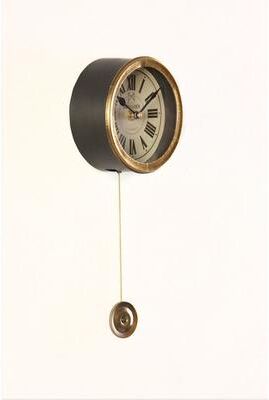
Value Selection Vintage Metal Pendulum Wall Clock With Roman Numerals Vintage Metal Pendulum Wall Clock With Roman NumeralsBring timeless Parisian character to your space with this metal wall clock, inspired by the elegance of a classic Left Bank hotel. Designed for anyone who loves vintageinspired dcor, its antiqued copper rim, glasscovered face, and graceful pendulum...119,97 $*Shipping: 0,00 $Secure redirect to the provider
-
Value Selection Godinger Dublin Crystal Table Clock With Roman Numerals Godinger Dublin Crystal Table Clock With Roman NumeralsAdd timeless sparkle to your favorite space with this elegant crystal table clock. Designed for anyone who appreciates refined, functional dcor, its emeraldshaped silhouette and Dublin diamondcut pattern beautifully reflect the light. The classic...54,97 $*Shipping: 0,00 $Secure redirect to the provider
-
Value Selection Mahogany Hidden Storage Clock Vintage Roman Numeral Mantel Decor Mahogany Hidden Storage Clock Vintage Roman Numeral Mantel DecorBring timeless character and discreet organization to your favorite space. This hidden storage clock pairs a rich mahoganytone manufactured wood case with an elegant Roman numeral face and ornate hands. Designed for classic interiors, collectors,...69,97 $*Shipping: 0,00 $Secure redirect to the provider
-
What does the Roman value system look like?
The Roman value system was based on virtues such as piety, loyalty, courage, and discipline. These virtues were considered essential for maintaining the stability and success of the Roman Republic and later the Roman Empire. Additionally, the Romans placed a strong emphasis on the importance of family, duty to the state, and respect for authority. They also valued the concept of dignitas, which encompassed a person's reputation, honor, and social standing. Overall, the Roman value system emphasized the importance of individual and collective virtues in contributing to the strength and prosperity of the society. **
-
Roman-German emperors
The term "Roman-German emperors" refers to the Holy Roman Emperors, who were rulers of the Holy Roman Empire from the Middle Ages to the early 19th century. These emperors were considered the successors to the rulers of the ancient Roman Empire and were elected by a group of German princes. The Holy Roman Emperors held significant political and religious power in Central Europe, although their authority was often challenged by regional rulers and the papacy. The title of Holy Roman Emperor was officially abolished in 1806 following the dissolution of the Holy Roman Empire. **
-
Holy Roman Emperors
The Holy Roman Emperors were rulers of the Holy Roman Empire, a complex political entity in central Europe that existed from 800 to 1806. They were elected by a group of powerful princes and bishops known as the Electoral College. The title of Holy Roman Emperor was considered to be the highest temporal authority in Europe, although the actual power of the emperors varied greatly throughout the history of the empire. Some of the most famous Holy Roman Emperors include Charlemagne, Otto the Great, and Charles V. **
-
Holy Roman Emperor
The title of Holy Roman Emperor was a title given to the ruler of the Holy Roman Empire, a political entity in Central Europe that existed from 962 to 1806. The Holy Roman Emperor was considered the secular ruler of the Christian world, with authority over a vast territory that included parts of modern-day Germany, Italy, and France. The position was elected by a group of powerful princes and bishops known as the Electoral College. The title of Holy Roman Emperor was eventually abolished in 1806 following the defeat of the Empire by Napoleon Bonaparte. **
Similar search terms for Roman
-
Value Selection Vintage Paris Oversized Metal Wall Clock With Roman Numerals Vintage Paris Oversized Metal Wall Clock With Roman NumeralsBring oldworld Parisian charm to your space with a statement piece that makes every wall feel more thoughtfully styled. This oversized wall clock features a distressed white metal face, warm brown Roman numerals, black hands, and classic...109,97 $*Shipping: 0,00 $Secure redirect to the provider
-
Value Selection Vintage Roman Numeral Tabletop Alarm Clock In Brown And White Vintage Roman Numeral Tabletop Alarm Clock In Brown And WhiteBring timeless character and dependable timekeeping to your favorite space. This vintage tabletop clock blends a warm brown finish, crisp white dial, and classic Roman numerals for an elegant look that feels both nostalgic and refined. Designed for...69,97 $*Shipping: 0,00 $Secure redirect to the provider
-
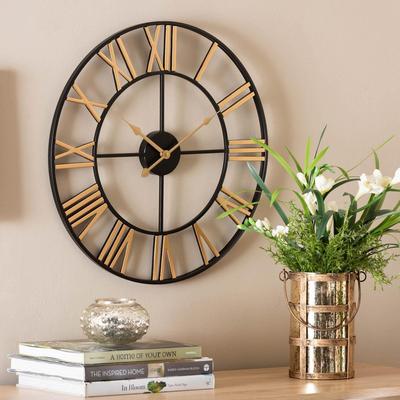
Value Selection Bruning Metal Wall Clock With Roman Numerals Modern Industrial Decor Bruning Metal Wall Clock With Roman Numerals Modern Industrial DecorBring architectural character to your wall with a timepiece designed to be noticed. This Roman Numeral Wall Clock combines an airy round silhouette with black and gold metal detailing for a refined industrial feel. At 19.7 inches wide, the openframe...109,97 $*Shipping: 0,00 $Secure redirect to the provider
-
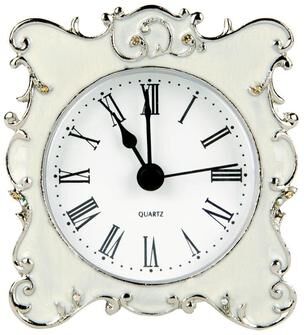
Value Selection Ornate Crystal Roman Numeral Tabletop Clock With Distressed Metal Finish Ornate Crystal Roman Numeral Tabletop Clock With Distressed Metal FinishBring timeless sparkle to your space while keeping every hour beautifully in view. This decorative tabletop clock pairs an ornate distressed metal frame with crystal rhinestone accents for an elegant, vintageinspired look. Its classic face and black...64,97 $*Shipping: 0,00 $Secure redirect to the provider
-
'Roman-German Emperors'
The Roman-German Emperors were a series of Holy Roman Emperors who ruled over the Holy Roman Empire from the Middle Ages to the early modern period. They were considered the successors to the ancient Roman Emperors and sought to establish their authority over the territories of the former Western Roman Empire. The title of Roman-German Emperor was meant to signify their dual role as rulers of both the Roman and Germanic peoples. The most famous Roman-German Emperor was Charlemagne, who was crowned Emperor of the Romans by Pope Leo III in 800 AD. The title continued to be used by subsequent Holy Roman Emperors until the dissolution of the Holy Roman Empire in 1806. **
-
Roman-German Emperors
The term "Roman-German Emperors" refers to the Holy Roman Emperors, who were rulers of the Holy Roman Empire from the Middle Ages until its dissolution in 1806. The title of Holy Roman Emperor was created in the 10th century and was held by various monarchs who claimed to be the successors of the ancient Roman emperors. The Holy Roman Emperors were elected by a group of German princes and were considered the highest secular authority in the Holy Roman Empire, which was a complex political entity that encompassed parts of modern-day Germany, Italy, and other European countries. **
-
"Roman-German Emperors"
The term "Roman-German Emperors" refers to the Holy Roman Emperors, who were rulers of a political entity in Central Europe that existed from 962 to 1806. The title of Holy Roman Emperor was created in the 10th century by Otto I, King of Germany, and it symbolized the revival of the Roman Empire in the West. The Holy Roman Emperors were considered the successors of the ancient Roman Emperors and were elected by a group of German princes. The empire was a complex political entity that encompassed parts of modern-day Germany, Italy, and other European territories. **
-
Was the Holy Roman Empire truly a Holy Roman Empire?
The term "Holy Roman Empire" was used to describe the multi-ethnic complex of territories in Central Europe ruled by the Roman Catholic Church and the Germanic Holy Roman Emperor. However, the empire was not truly holy in the sense of being divinely ordained, as its power was often based on political and military strength rather than religious authority. Additionally, the empire was not truly Roman, as it did not have its origins in the ancient Roman Empire but rather in the medieval Kingdom of Germany. Overall, the Holy Roman Empire was a complex political entity that combined elements of religion, politics, and culture, but it did not fully embody the ideals of holiness or Roman heritage. **
* All prices are inclusive of VAT and, if applicable, plus shipping costs. The offer information is based on the details provided by the respective shop and is updated through automated processes. Real-time updates do not occur, so deviations can occur in individual cases. ** Note: Parts of this content were created by AI.