Buy comvalor.eu ?
We are moving the project
comvalor.eu .
Are you interested in purchasing the domain
comvalor.eu ?
domain@kv-gmbh.de · 0541-91531010
Buy comvalor.eu ?
What are similarity ratios?
Similarity ratios are ratios that compare the corresponding sides of two similar figures. They help us understand the relationship between the sides of similar shapes. The ratio of corresponding sides in similar figures is always the same, which means that if you know the ratio of one pair of sides, you can use it to find the ratio of other pairs of sides. Similarity ratios are important in geometry and are used to solve problems involving similar figures. **
What is the difference between similarity theorem 1 and similarity theorem 2?
Similarity theorem 1, also known as the Angle-Angle (AA) similarity theorem, states that if two angles of one triangle are congruent to two angles of another triangle, then the triangles are similar. On the other hand, similarity theorem 2, also known as the Side-Angle-Side (SAS) similarity theorem, states that if two sides of one triangle are proportional to two sides of another triangle and the included angles are congruent, then the triangles are similar. The main difference between the two theorems is the criteria for establishing similarity - AA theorem focuses on angle congruence, while SAS theorem focuses on both side proportionality and angle congruence. **


Similar search terms for Similarity
Top-Angebote
Products related to Similarity:
-
Multisell Products Hub Easy To Play Chess Board Game Toy, Educational Strategy Table Games Easy To Play Chess Board Game Toy, Educational Strategy Table GamesEngage Your Mind with a Classic Chess Board Game The Chess Board Game Toy is a timeless strategy game that offers endless fun for both beginners and experienced players. Designed to be easy to play, this game is perfect for improving focus,...49,97 $*Shipping: 0,00 $Secure redirect to the provider
-
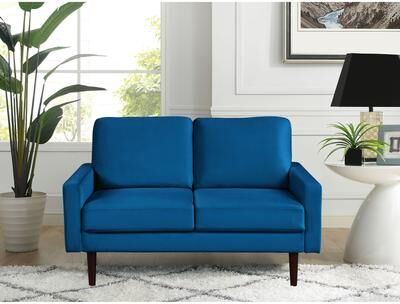
Lifestyle Solutions Napa LoveseatThe Napa Loveseat is designed not only to fit your space but also your style. The classic design and modern lines not only offer style but comfort. A hardwood frames offers sturdy support for everyday living.308,34 $*Shipping: 0,00 $Secure redirect to the provider

-
How can the similarity factor for determining the similarity of triangles be calculated?
The similarity factor for determining the similarity of triangles can be calculated by comparing the corresponding sides of the two triangles. If the ratio of the lengths of the corresponding sides of the two triangles is the same, then the triangles are similar. This ratio can be calculated by dividing the length of one side of a triangle by the length of the corresponding side of the other triangle. If all three ratios of corresponding sides are equal, then the triangles are similar. This is known as the similarity factor and is used to determine the similarity of triangles. **
-
How can one calculate the similarity factor to determine the similarity of triangles?
The similarity factor can be calculated by comparing the corresponding sides of two triangles. To do this, one can divide the length of one side of the first triangle by the length of the corresponding side of the second triangle. This process is repeated for all three pairs of corresponding sides. If the ratios of the corresponding sides are equal, then the triangles are similar, and the similarity factor will be 1. If the ratios are not equal, the similarity factor will be the ratio of the two triangles' areas. **
-
Is mirroring allowed in similarity?
Yes, mirroring is allowed in similarity. Mirroring is a technique used to create similarity by reflecting the actions, behaviors, or emotions of another person. It can help to establish rapport and build connections with others by showing that you understand and relate to their experiences. However, it is important to use mirroring in a genuine and respectful way, and to be mindful of the other person's comfort level and boundaries. **
-
Is there a similarity here?
Yes, there is a similarity here. Both situations involve individuals or groups facing challenges and obstacles, and needing to find creative solutions to overcome them. In both cases, there is a need for resilience, determination, and adaptability in order to succeed. Additionally, both situations highlight the importance of teamwork and collaboration in achieving a common goal. **

What is the similarity ratio?
The similarity ratio is a comparison of the corresponding sides of two similar figures. It is used to determine how the dimensions of one figure compare to the dimensions of another figure when they are similar. The ratio is calculated by dividing the length of a side of one figure by the length of the corresponding side of the other figure. This ratio remains constant for all pairs of corresponding sides in similar figures. **
What is similarity in mathematics?
In mathematics, similarity refers to the relationship between two objects or shapes that have the same shape but are not necessarily the same size. This means that the objects are proportional to each other, with corresponding angles being equal and corresponding sides being in the same ratio. Similarity is often used in geometry to compare and analyze shapes, allowing for the transfer of properties and measurements from one shape to another. **
Top-Angebote
Products related to Similarity:
-
HARPERCOLLINS Creative Confidence by Tom & David Kelley – Unleashing Your Creative Potential & Innovation MindsetA powerful and inspiring book from the founders of IDEO, the award-winning design firm, on unleashing the creativity that lies within each and every one of us. Too often, companies and individuals assume that creativity and innovation are the domain of the ‘creative types’. But two of the foremost experts in innovation, design and creativity on the planet show us that each and every one of us is creative. In an entertaining and inspiring narrative that draws on countless stories from their work at IDEO, and with many of the world's top companies and design firms, David and Tom Kelley identify the principles and strategies that will allow us to tap into our creative potential in our work lives, and in our personal lives, allow us to think outside the box in terms of how we approach and solve problems. ‘Creative Confidence’ is a book that will help each of us be more productive and successful in our lives and in our careers.4,95 £*Shipping: 1,99 £Secure redirect to the provider
-
Classic Editions The Complete Art of War – 8 Book Hardback Box Set Sun Tzu & Ancient Chinese Military Strategy Classics Leadership, Warfare & Strategy CollectionExplore centuries of strategic thinking with The Complete Art of War – 8 Books Collection Hardback Box Set, an impressive collection of classical Chinese writings on warfare, leadership, tactics and strategy. Bringing together influential works from ancient Chinese military thought, this hardback collection includes titles such as The Art of War, Methods of the Sima, Wuzi, Wei Liaozi, Three Strategies of Huang Shigong, and Six Secret Teachings of Taigong, alongside additional works included in the eight-volume set. These enduring texts examine subjects including leadership, planning, discipline, intelligence, diplomacy, battlefield tactics and strategic decision-making. Although written in the context of ancient warfare, many of their principles have subsequently attracted readers interested in history, leadership and strategic thinking. Presented as an 8-volume hardback boxed collection, the set is ideal for readers of military history, students of classical philosophy and collectors of beautifully presented classic works. Why Readers Will Love This Collection Includes 8 hardback volumes in a collectible box set Features influential works of ancient Chinese military strategy Explores strategy, leadership, tactics and decision-making Excellent addition to military history and philosophy collections Attractive hardback format for a home or study library Ideal gift for history, strategy and classic literature enthusiasts The Complete Art of War 8 Book Collection brings together some of history's most enduring works on strategy in one impressive hardback set. Titles In This Set: Notebook Questions and Replies Three Strategies of Huang Shigong Wuzi Wei Liaozi The Methods of The Sima Six Secret Teachings of Taigong The Art of War16,99 £*Shipping: 2,99 £Secure redirect to the provider
-
Multisell Products Hub Easy To Play Chess Board Game Toy, Educational Strategy Table Games Easy To Play Chess Board Game Toy, Educational Strategy Table GamesEngage Your Mind with a Classic Chess Board Game The Chess Board Game Toy is a timeless strategy game that offers endless fun for both beginners and experienced players. Designed to be easy to play, this game is perfect for improving focus,...49,97 $*Shipping: 0,00 $Secure redirect to the provider
-
What are similarity ratios?
Similarity ratios are ratios that compare the corresponding sides of two similar figures. They help us understand the relationship between the sides of similar shapes. The ratio of corresponding sides in similar figures is always the same, which means that if you know the ratio of one pair of sides, you can use it to find the ratio of other pairs of sides. Similarity ratios are important in geometry and are used to solve problems involving similar figures. **
-
What is the difference between similarity theorem 1 and similarity theorem 2?
Similarity theorem 1, also known as the Angle-Angle (AA) similarity theorem, states that if two angles of one triangle are congruent to two angles of another triangle, then the triangles are similar. On the other hand, similarity theorem 2, also known as the Side-Angle-Side (SAS) similarity theorem, states that if two sides of one triangle are proportional to two sides of another triangle and the included angles are congruent, then the triangles are similar. The main difference between the two theorems is the criteria for establishing similarity - AA theorem focuses on angle congruence, while SAS theorem focuses on both side proportionality and angle congruence. **
-
How can the similarity factor for determining the similarity of triangles be calculated?
The similarity factor for determining the similarity of triangles can be calculated by comparing the corresponding sides of the two triangles. If the ratio of the lengths of the corresponding sides of the two triangles is the same, then the triangles are similar. This ratio can be calculated by dividing the length of one side of a triangle by the length of the corresponding side of the other triangle. If all three ratios of corresponding sides are equal, then the triangles are similar. This is known as the similarity factor and is used to determine the similarity of triangles. **
-
How can one calculate the similarity factor to determine the similarity of triangles?
The similarity factor can be calculated by comparing the corresponding sides of two triangles. To do this, one can divide the length of one side of the first triangle by the length of the corresponding side of the second triangle. This process is repeated for all three pairs of corresponding sides. If the ratios of the corresponding sides are equal, then the triangles are similar, and the similarity factor will be 1. If the ratios are not equal, the similarity factor will be the ratio of the two triangles' areas. **
Similar search terms for Similarity
-
Lifestyle Solutions Napa LoveseatThe Napa Loveseat is designed not only to fit your space but also your style. The classic design and modern lines not only offer style but comfort. A hardwood frames offers sturdy support for everyday living.308,34 $*Shipping: 0,00 $Secure redirect to the provider
-
Uplift Picks Big Eat Small Tic Tac Toe Board Game Interactive Strategy Party Toy Big Eat Small Tic Tac Toe Board Game Interactive Strategy Party ToyChallenge minds and spark laughter with this big eat small board game that adds a clever twist to classic tic tac toe. Designed for kids and adults alike, it blends simple rules with strategic thinking to keep every round exciting. Players must...45,50 $*Shipping: 0,00 $Secure redirect to the provider
-
Is mirroring allowed in similarity?
Yes, mirroring is allowed in similarity. Mirroring is a technique used to create similarity by reflecting the actions, behaviors, or emotions of another person. It can help to establish rapport and build connections with others by showing that you understand and relate to their experiences. However, it is important to use mirroring in a genuine and respectful way, and to be mindful of the other person's comfort level and boundaries. **
-
Is there a similarity here?
Yes, there is a similarity here. Both situations involve individuals or groups facing challenges and obstacles, and needing to find creative solutions to overcome them. In both cases, there is a need for resilience, determination, and adaptability in order to succeed. Additionally, both situations highlight the importance of teamwork and collaboration in achieving a common goal. **
-
What is the similarity ratio?
The similarity ratio is a comparison of the corresponding sides of two similar figures. It is used to determine how the dimensions of one figure compare to the dimensions of another figure when they are similar. The ratio is calculated by dividing the length of a side of one figure by the length of the corresponding side of the other figure. This ratio remains constant for all pairs of corresponding sides in similar figures. **
-
What is similarity in mathematics?
In mathematics, similarity refers to the relationship between two objects or shapes that have the same shape but are not necessarily the same size. This means that the objects are proportional to each other, with corresponding angles being equal and corresponding sides being in the same ratio. Similarity is often used in geometry to compare and analyze shapes, allowing for the transfer of properties and measurements from one shape to another. **
* All prices are inclusive of VAT and, if applicable, plus shipping costs. The offer information is based on the details provided by the respective shop and is updated through automated processes. Real-time updates do not occur, so deviations can occur in individual cases. ** Note: Parts of this content were created by AI.