Buy comvalor.eu ?
We are moving the project
comvalor.eu .
Are you interested in purchasing the domain
comvalor.eu ?
domain@kv-gmbh.de · 0541-91531010
Buy comvalor.eu ?
What is parallelism?
Parallelism is a rhetorical device in which a writer or speaker uses similar grammatical structures, such as phrases or clauses, to create a balanced and harmonious effect. This technique helps to emphasize key ideas and create a sense of rhythm and flow in the writing. Parallelism is commonly used in literature, speeches, and advertising to make a point more memorable and impactful. It can also help to create a sense of unity and coherence in a piece of writing. **
Are parallelism and chiasmus opposites?
No, parallelism and chiasmus are not opposites. Parallelism is the repetition of similar grammatical structures or ideas in a sentence or passage, while chiasmus is a specific type of parallelism where the second half of a phrase mirrors the first half in reverse order. Both rhetorical devices involve balancing and mirroring elements in a sentence, but chiasmus adds an extra layer of symmetry by reversing the order of the elements. **

Similar search terms for Parallelism
Top-Angebote
Products related to Parallelism:
-
Innovation: Fourth Edition Board Game by Asmadi Games for 2-4 PlayersInnovation: Fourth Edition is a strategic card game for 2–4 players. Build a civilization through ideas, inventions, and cultural advances by developing technologies and sharing achievements. Each card can provide different benefits depending on how it's used, creating varied strategies and unexpected shifts throughout the game. This edition includes updated artwork and streamlined rules for the expansions, as well as Age 11 cards for each set and the new expansion, The Unseen, which adds further possibilities to the core experience. With hundreds of cards and numerous combinations, every game can unfold differently.18,29 £*Shipping: 1,99 £Secure redirect to the provider
-
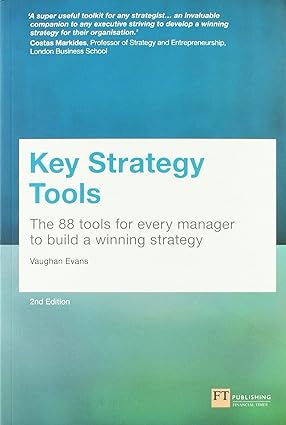
Pearson Key Strategy Tools by Vaughan Evans - 88 Tools for Every Manager to Build a Winning Strategy - Paperback - Business Strategy BookKey Strategy Tools by Vaughan Evans is a comprehensive guide for managers who want to build a winning strategy. Written by strategy consultant Vaughan Evans, this book distils decades of consulting experience into 88 practical tools covering every stage of the strategy process. From market analysis to competitive positioning and implementation, it equips managers, entrepreneurs, and MBA students with a framework for transforming their business into a scalable and valuable asset. The book presents a complete toolkit for strategy development, helping readers to understand why some companies succeed while others struggle, and providing actionable advice on how to achieve success. Published by Pearson, this paperback is a valuable resource for anyone looking to improve their business strategy.2,99 £*Shipping: 2,99 £Secure redirect to the provider
-
HARPERCOLLINS Creative Confidence by Tom & David Kelley – Unleashing Your Creative Potential & Innovation MindsetA powerful and inspiring book from the founders of IDEO, the award-winning design firm, on unleashing the creativity that lies within each and every one of us. Too often, companies and individuals assume that creativity and innovation are the domain of the ‘creative types’. But two of the foremost experts in innovation, design and creativity on the planet show us that each and every one of us is creative. In an entertaining and inspiring narrative that draws on countless stories from their work at IDEO, and with many of the world's top companies and design firms, David and Tom Kelley identify the principles and strategies that will allow us to tap into our creative potential in our work lives, and in our personal lives, allow us to think outside the box in terms of how we approach and solve problems. ‘Creative Confidence’ is a book that will help each of us be more productive and successful in our lives and in our careers.4,95 £*Shipping: 1,99 £Secure redirect to the provider



-
Is this a parallelism or an anaphora?
This is an anaphora. An anaphora is the repetition of a word or phrase at the beginning of successive clauses or sentences. In this case, the repeated phrase "I have a dream" at the beginning of each sentence is an example of anaphora. **
-
How does parallelism work in a poem?
Parallelism in a poem involves using similar grammatical structures, such as repeating phrases or using the same sentence structure, to create a sense of balance and rhythm. This technique helps to emphasize key ideas or themes by drawing attention to them through repetition. By using parallelism, a poet can create a cohesive and harmonious flow in the poem, enhancing its overall impact on the reader. **
-
What is the difference between parallelism and antithesis?
Parallelism is the use of similar grammatical structures or patterns within a sentence or passage to create a sense of balance and rhythm. It involves repeating the same grammatical structure, such as using the same verb tense or sentence structure. Antithesis, on the other hand, is the use of contrasting or opposite ideas within a sentence or passage to create a sense of tension or juxtaposition. It involves placing contrasting ideas in close proximity to each other to highlight their differences. While parallelism creates a sense of harmony and balance, antithesis creates a sense of conflict and contrast. **
-
What is the difference between anaphora and parallelism?
Anaphora is the repetition of a word or phrase at the beginning of successive clauses or sentences, while parallelism is the repetition of similar grammatical structures within a sentence or passage. Anaphora is used to create emphasis and rhythm, while parallelism is used to create balance and symmetry in writing. Both devices can enhance the clarity and impact of a writer's message, but they achieve this in slightly different ways. **


What are the stylistic devices chiasmus and parallelism?
Chiasmus is a rhetorical device in which words, phrases, or concepts are repeated in reverse order to create a balanced and parallel structure. For example, "Ask not what your country can do for you, ask what you can do for your country." Parallelism, on the other hand, is a literary technique in which parts of a sentence are grammatically similar in construction, sound, meaning, or meter. It helps to create rhythm, balance, and clarity in writing. Both chiasmus and parallelism are commonly used in literature, speeches, and poetry to enhance the impact of the message being conveyed. **
Is this a case of parallelism or anaphora?
This is a case of anaphora. Anaphora is the repetition of a word or phrase at the beginning of successive clauses or sentences, which is evident in the repeated use of "I have a dream" at the beginning of each sentence in the passage. Parallelism, on the other hand, involves the repetition of similar grammatical structures within a sentence or passage. **
Top-Angebote
Products related to Parallelism:
-
Sesderma Reti Age 5 Liposomal Serum Anti-Aging Innovation 30mLA facial serum for wrinkles and signs of ageing. Reduces wrinkles and fine lines. Hydrates and strengthens barrier. Restores youthful radiance. 5-Retinoid System: smooths wrinkles, accelerates renewal, and boosts collagen. Biomimetic Peptides: fill expression lines by stimulating collagen synthesis.41,69 £*Shipping: 5,34 £Secure redirect to the provider
-
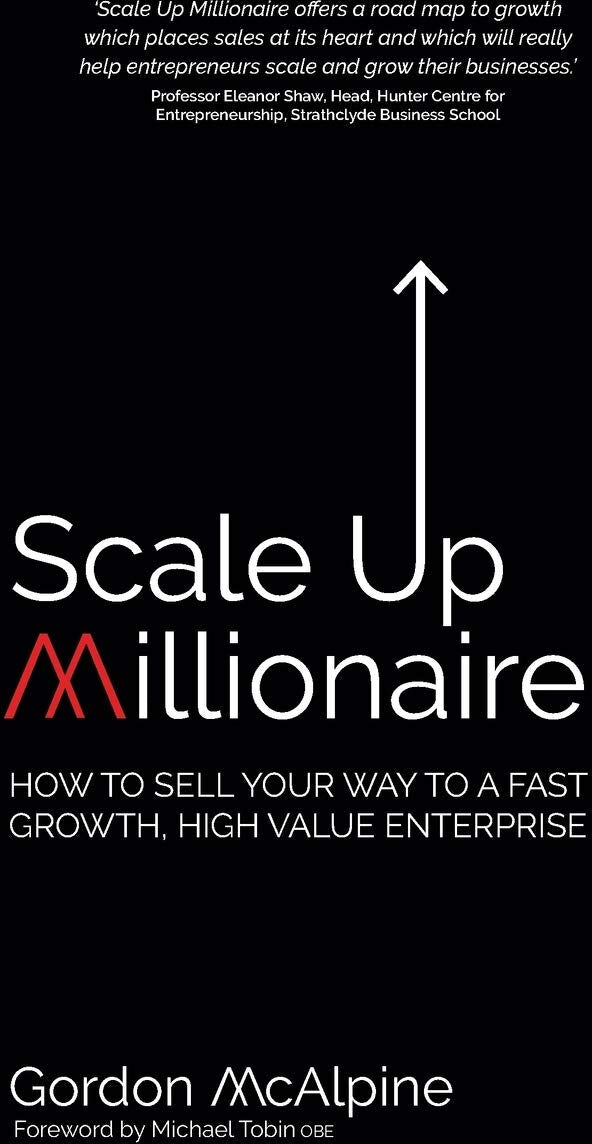
Rethink Press Scale Up Millionaire: How To Sell Your Way To A Fast Growth, High Value Enterprise by Gordon McAlpine - Paperback - Business & Sales Growth GuideScale Up Millionaire is a practical sales and growth guide for founders and business leaders who want to expand their businesses quickly without giving away equity or taking on debt. Written by entrepreneur Gordon McAlpine, it distills the exact selling and scaling methods he used to build and exit a global technology company from a standing start. This book offers a clear, actionable route to sustainable, high-value growth, whether you are a first-time founder or an experienced business owner. Gordon McAlpine sets out his proven 6-Step Scale Up Process, built entirely from real-world experience rather than theory. He shows readers how to convert a solid product into a compelling market proposition, channel personal passion through 'Founder Selling' to win early customers, and build a strong sales pipeline that creates lasting results.2,99 £*Shipping: 2,99 £Secure redirect to the provider
-
Innovation: Fourth Edition Board Game by Asmadi Games for 2-4 PlayersInnovation: Fourth Edition is a strategic card game for 2–4 players. Build a civilization through ideas, inventions, and cultural advances by developing technologies and sharing achievements. Each card can provide different benefits depending on how it's used, creating varied strategies and unexpected shifts throughout the game. This edition includes updated artwork and streamlined rules for the expansions, as well as Age 11 cards for each set and the new expansion, The Unseen, which adds further possibilities to the core experience. With hundreds of cards and numerous combinations, every game can unfold differently.18,29 £*Shipping: 1,99 £Secure redirect to the provider
-
Pearson Key Strategy Tools by Vaughan Evans - 88 Tools for Every Manager to Build a Winning Strategy - Paperback - Business Strategy BookKey Strategy Tools by Vaughan Evans is a comprehensive guide for managers who want to build a winning strategy. Written by strategy consultant Vaughan Evans, this book distils decades of consulting experience into 88 practical tools covering every stage of the strategy process. From market analysis to competitive positioning and implementation, it equips managers, entrepreneurs, and MBA students with a framework for transforming their business into a scalable and valuable asset. The book presents a complete toolkit for strategy development, helping readers to understand why some companies succeed while others struggle, and providing actionable advice on how to achieve success. Published by Pearson, this paperback is a valuable resource for anyone looking to improve their business strategy.2,99 £*Shipping: 2,99 £Secure redirect to the provider
-
What is parallelism?
Parallelism is a rhetorical device in which a writer or speaker uses similar grammatical structures, such as phrases or clauses, to create a balanced and harmonious effect. This technique helps to emphasize key ideas and create a sense of rhythm and flow in the writing. Parallelism is commonly used in literature, speeches, and advertising to make a point more memorable and impactful. It can also help to create a sense of unity and coherence in a piece of writing. **
-
Are parallelism and chiasmus opposites?
No, parallelism and chiasmus are not opposites. Parallelism is the repetition of similar grammatical structures or ideas in a sentence or passage, while chiasmus is a specific type of parallelism where the second half of a phrase mirrors the first half in reverse order. Both rhetorical devices involve balancing and mirroring elements in a sentence, but chiasmus adds an extra layer of symmetry by reversing the order of the elements. **
-
Is this a parallelism or an anaphora?
This is an anaphora. An anaphora is the repetition of a word or phrase at the beginning of successive clauses or sentences. In this case, the repeated phrase "I have a dream" at the beginning of each sentence is an example of anaphora. **
-
How does parallelism work in a poem?
Parallelism in a poem involves using similar grammatical structures, such as repeating phrases or using the same sentence structure, to create a sense of balance and rhythm. This technique helps to emphasize key ideas or themes by drawing attention to them through repetition. By using parallelism, a poet can create a cohesive and harmonious flow in the poem, enhancing its overall impact on the reader. **
Similar search terms for Parallelism
-
HARPERCOLLINS Creative Confidence by Tom & David Kelley – Unleashing Your Creative Potential & Innovation MindsetA powerful and inspiring book from the founders of IDEO, the award-winning design firm, on unleashing the creativity that lies within each and every one of us. Too often, companies and individuals assume that creativity and innovation are the domain of the ‘creative types’. But two of the foremost experts in innovation, design and creativity on the planet show us that each and every one of us is creative. In an entertaining and inspiring narrative that draws on countless stories from their work at IDEO, and with many of the world's top companies and design firms, David and Tom Kelley identify the principles and strategies that will allow us to tap into our creative potential in our work lives, and in our personal lives, allow us to think outside the box in terms of how we approach and solve problems. ‘Creative Confidence’ is a book that will help each of us be more productive and successful in our lives and in our careers.4,95 £*Shipping: 1,99 £Secure redirect to the provider
-
Lifestyle Solutions Napa LoveseatThe Napa Loveseat is designed not only to fit your space but also your style. The classic design and modern lines not only offer style but comfort. A hardwood frames offers sturdy support for everyday living.297,19 $*Shipping: 0,00 $Secure redirect to the provider
-
What is the difference between parallelism and antithesis?
Parallelism is the use of similar grammatical structures or patterns within a sentence or passage to create a sense of balance and rhythm. It involves repeating the same grammatical structure, such as using the same verb tense or sentence structure. Antithesis, on the other hand, is the use of contrasting or opposite ideas within a sentence or passage to create a sense of tension or juxtaposition. It involves placing contrasting ideas in close proximity to each other to highlight their differences. While parallelism creates a sense of harmony and balance, antithesis creates a sense of conflict and contrast. **
-
What is the difference between anaphora and parallelism?
Anaphora is the repetition of a word or phrase at the beginning of successive clauses or sentences, while parallelism is the repetition of similar grammatical structures within a sentence or passage. Anaphora is used to create emphasis and rhythm, while parallelism is used to create balance and symmetry in writing. Both devices can enhance the clarity and impact of a writer's message, but they achieve this in slightly different ways. **
-
What are the stylistic devices chiasmus and parallelism?
Chiasmus is a rhetorical device in which words, phrases, or concepts are repeated in reverse order to create a balanced and parallel structure. For example, "Ask not what your country can do for you, ask what you can do for your country." Parallelism, on the other hand, is a literary technique in which parts of a sentence are grammatically similar in construction, sound, meaning, or meter. It helps to create rhythm, balance, and clarity in writing. Both chiasmus and parallelism are commonly used in literature, speeches, and poetry to enhance the impact of the message being conveyed. **
-
Is this a case of parallelism or anaphora?
This is a case of anaphora. Anaphora is the repetition of a word or phrase at the beginning of successive clauses or sentences, which is evident in the repeated use of "I have a dream" at the beginning of each sentence in the passage. Parallelism, on the other hand, involves the repetition of similar grammatical structures within a sentence or passage. **
* All prices are inclusive of VAT and, if applicable, plus shipping costs. The offer information is based on the details provided by the respective shop and is updated through automated processes. Real-time updates do not occur, so deviations can occur in individual cases. ** Note: Parts of this content were created by AI.